
Ayahuasca in the Amazon: Returning to the Source

Ayahuasca is more than a medicine. It is a lineage. A teacher. A sacred vine that has been tended, respected, and revered by Indigenous peoples of the Amazon basin for centuries.
In recent years, ayahuasca has spread across the world: from jungle malokas to modern retreat centers. But to truly understand this medicine, we must first return to its roots.
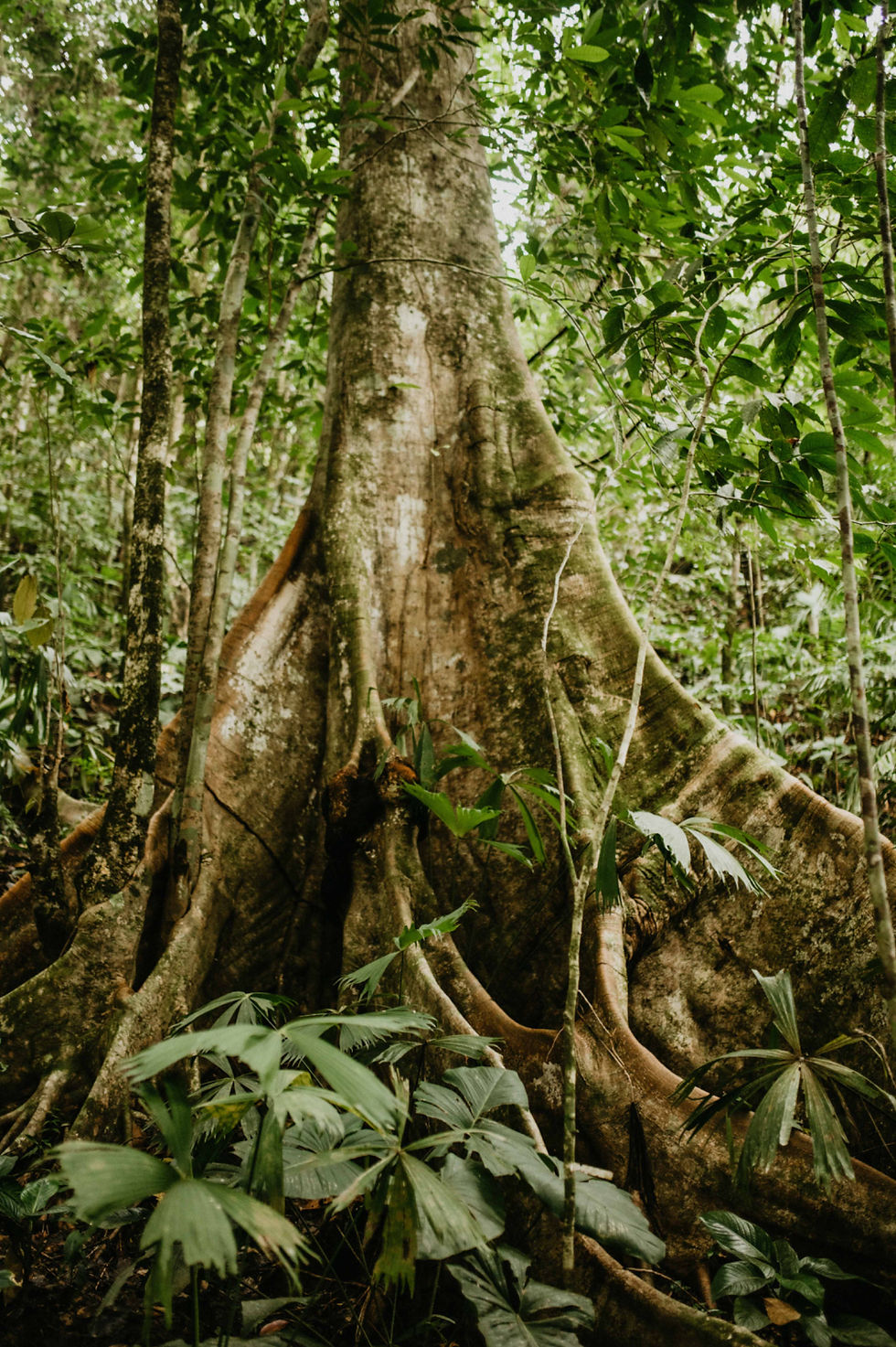
So let’s go there: to the Amazon.

The Birthplace of Ayahuasca
Ayahuasca originates from the Amazon rainforest, primarily in regions of Peru, Brazil, Colombia, and Ecuador. The word ayahuasca comes from the Quechua language and is often translated as “vine of the soul” or “vine of the dead.”
The brew is made from two primary plants:
Banisteriopsis caapi (the vine)
Psychotria viridis or Diplopterys cabrerana (the leaf, containing DMT)
Individually, these plants are not visionary. But together, they create a powerful synergistic effect. A visionary, often deeply emotional medicine that opens the door to inner work, ancestral healing, and connection with the spirit world.
The knowledge of how to prepare and work with this brew did not come from textbooks. It came from generations of observation, prayer, dieta (plant fasting), and relationship with the forest.
The Role of the Shaman (or Curandero/Onaya)
In traditional Amazonian cultures, ayahuasca is not taken casually or recreationally. It is used in ceremony, guided by a highly trained shaman (often called a curandero or onaya).
These individuals spend years in training, often isolated in the forest, dieting specific master plants and learning through direct spiritual transmission.
Their role is not just to serve the brew, but to guide, protect, and work with each participant's energetic field. This is often done through icaros, healing songs that move energy, clear blockages, and call in support from plant spirits and ancestors.
The shaman is a bridge between the visible and invisible world, and in the Amazon, this work is deeply rooted in community, cosmology, and place.
A Ceremony Like No Other
Participating in an ayahuasca ceremony in the Amazon is an experience unlike any other. You are not just drinking a plant medicine, you are entering into a relationship with a living tradition.
You may hear the sounds of the jungle at night: frogs, insects, rain, blending with the rhythmic chanting of the shamans. You may lie on a palm-leaf mat under a thatched roof, watching moonlight filter through the open walls. And you may begin to feel, deeply, that you are not separate from this land, this moment, or this healing.
For many, this return to the source brings not only personal insight, but a sense of reverence for Indigenous wisdom and a call to protect and honor the forest that gave birth to it.
So Why Do Some People Seek Ayahuasca Outside the Amazon?
While the Amazon holds the roots of this work, not everyone can or should go there first.
The environment can be intense. The cultural differences, language barriers, and lack of infrastructure can be disorienting. And for some, working with ayahuasca in a space that offers more support, integration, and comfort can be a more appropriate first step.
That’s where centers like Pandorita come in: blending deep respect for Amazonian tradition with safe, spacious, and intentional containers in Costa Rica.
Here, we work exclusively with Shipibo shamans, an Indigenous lineage from the Peruvian Amazon, while offering a retreat space rooted in care, clarity, and connection to nature.
In Closing: The Vine Lives On
Whether you meet ayahuasca in the Amazon, in Costa Rica, or elsewhere, the essence is the same: You are being invited into a relationship.
With yourself. With the Earth. With spirit. With the great mystery.
To work with ayahuasca is to enter a sacred dialogue, and to remember that this path didn’t begin with us. It began long ago, deep in the jungle, with the plants, the songs, and the people who listened.
May we always honor that.


Comments